Flagship Specialty
Low Vision Specialist — Inwood, Long Island, NY
When standard glasses or contact lenses can no longer fully correct your vision, our low vision
specialists help you maximize what you have — restoring independence for reading, driving, and daily life.
Low vision is a significant visual impairment that cannot be fully corrected by conventional means.
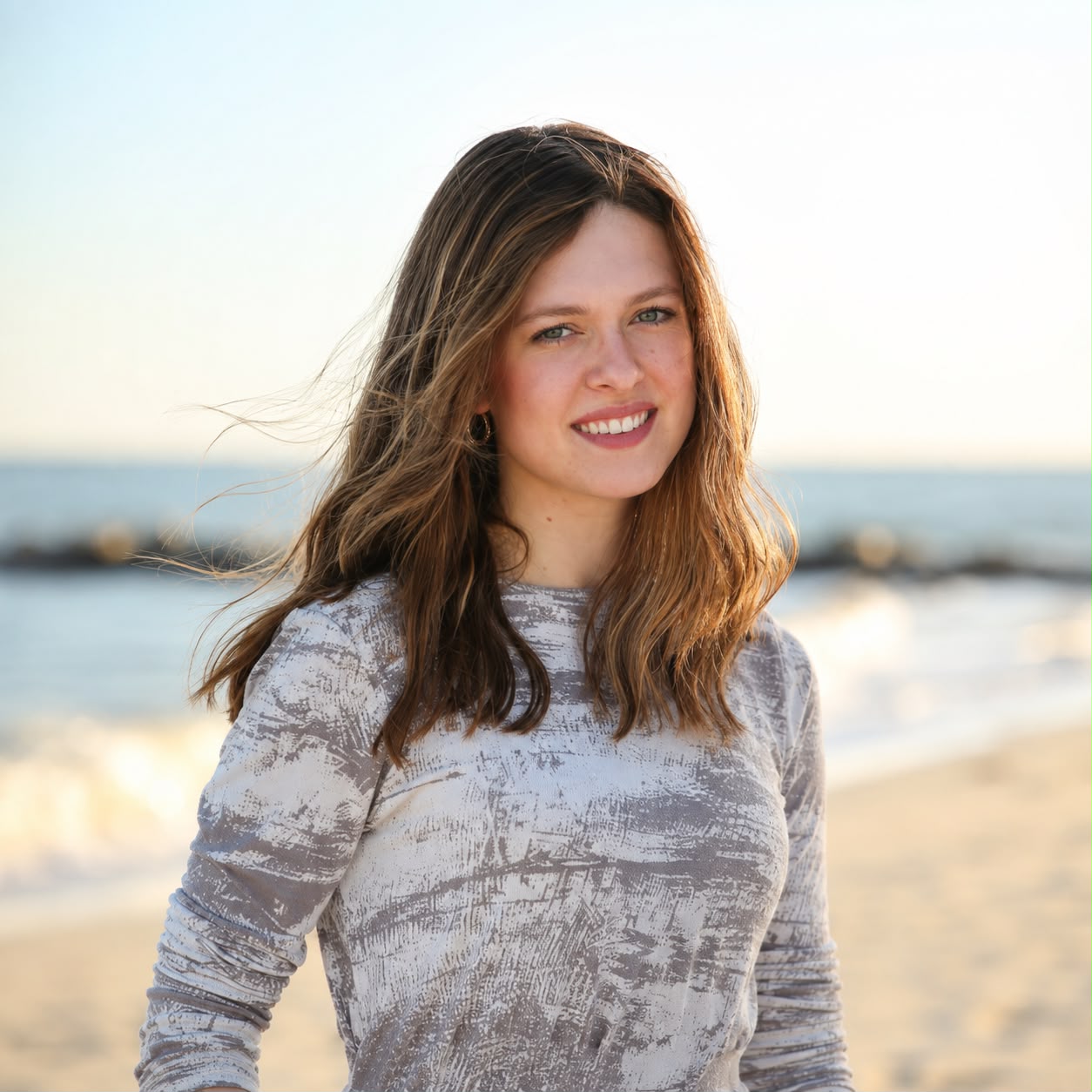
At Advanced Vision Long Island, low vision care is led by
Dr. Esther Moller, OD, FAAO —
a Certified Low Vision Specialist and Fellow of the American Academy of Optometry who completed
her residency at the Northport VA Medical Center. Dr. Moller conducts thorough, task-oriented
low vision consultations designed not just to measure what you can see —
but to help you do the things that vision loss has made difficult.
We evaluate your unique daily needs and match you with the optical aids and adaptive strategies
that restore the most independence. Our practice also works with the
NYS Commission for the Blind (CBVH), which may fund evaluations and aids for
qualifying New York residents.
What Does a Low Vision Consultation Cover?
A comprehensive low vision evaluation includes:
- Distance Vision — measuring functional acuity at distance with optimal correction
- Near Vision — determining reading acuity and the magnification needed for specific tasks
- Contrast Sensitivity — assessing how well you distinguish objects from their background
- Visual Fields — mapping any areas of reduced peripheral or central vision
Common Causes of Low Vision
Macular Degeneration
Damage to the central retina reduces sharp, detailed vision used for reading and recognizing faces.
Glaucoma
Elevated intraocular pressure progressively damages the optic nerve, narrowing the visual field over time.
Diabetic Retinopathy
Diabetic retinopathy causes blood vessels in the retina to leak or grow abnormally, blurring or blocking vision.
Post-Stroke Vision Loss
Stroke can damage the visual cortex or optic pathways, resulting in field loss, double vision, or processing difficulties.
Have You Stopped…?
Vision loss often causes people to quietly give up activities they once loved. Does this sound familiar?
ReadingPlaying cardsCooking mealsWatching TVPlaying bingoNeedlepoint
Is this due to poor vision? Would you like to start again? Come see how we can
help get back your quality of life. Many patients are surprised by how much usable vision can be
recovered with the right combination of aids and training.
Low Vision Aids We Prescribe
Low vision aids utilize remaining vision through magnification, image shift, and contrast
enhancement to maximize visual potential. Samples of what we offer:
High Powered Add Glasses
Precision reading lenses with high magnification for near tasks
Prism Half Eyes
Prismatic spectacles that shift the image for easier reading
Stand Magnifier
Stable desktop lens that rests on the page for hands-free use
Hand Magnifier
Portable handheld lens ideal for spotting text on the go
Dome Magnifier
Curved acrylic dome that lays directly on text for wide-area clarity
Schedule a Low Vision Consultation
Our Inwood, NY office serves patients from Long Island, Queens, and Nassau County.
Same-week appointments are often available.
Request an Appointment
Or call us at (718) 268-3937
Frequently Asked Questions
What is low vision?
Low vision is a significant visual impairment that cannot be fully corrected with standard glasses, contact lenses, medication, or surgery. It affects a person's ability to perform everyday tasks such as reading, cooking, or watching television. Low vision does not mean total blindness — most people with low vision retain some usable sight.
Does Medicare or Medicaid cover low vision care in New York?
Low vision services may be covered under Medicare Part B when medically necessary. In New York, eligible patients may also qualify for services through the NYS Commission for the Blind (CBVH), which can fund low vision evaluations and aids for qualifying individuals. We can help determine which programs apply to your situation.
What low vision aids are available?
We offer a wide range of optical aids including high-powered add glasses, prism half-eye spectacles, stand magnifiers, handheld magnifiers, and dome magnifiers. We evaluate each patient's specific needs and recommend aids that maximize their remaining vision for the tasks that matter most to them.
Can I still drive with low vision?
Driving with low vision depends on the degree of impairment and state regulations. New York requires a minimum visual acuity of 20/40 to drive without restrictions. Our doctors can evaluate your functional vision and, where applicable, discuss bioptic telescopes or other strategies. We always prioritize patient and public safety.